Showing posts with label Fuel. Show all posts

Friday, December 29, 2023

Green Energy With Hydrogen Through Electrolysis

Green energy with hydrogen through electrolysis represents a promising pathway towards sustainable and environmentally friendly energy solutions. Electrolysis is a process that uses electricity to split water into hydrogen and oxygen, and when powered by renewable energy sources, it produces what is commonly known as green hydrogen. Here's how this process contributes to the green energy landscape:
1. Renewable Energy Input:
   - Green hydrogen production begins with the use of renewable energy sources such as solar, wind, or hydropower. These sources provide the electricity needed for electrolysis.


2. Electrolysis Process:
   - During electrolysis, water (H2O) is split into hydrogen (H2) and oxygen (O2). The process involves passing an electric current through water, causing the water molecules to dissociate into their constituent elements.

3. Zero Emissions:
   - When powered by renewable energy, the entire process of green hydrogen production is emissions-free. There are no greenhouse gas emissions associated with the production of the hydrogen, making it a clean and sustainable energy carrier.

4. Grid Balancing and Energy Storage:
   - Green hydrogen can play a crucial role in grid balancing. Excess renewable energy generated during periods of high production can be used for electrolysis, producing hydrogen. The hydrogen can then be stored and later used when renewable energy generation is low, contributing to grid stability.

5. Transportation Fuel:
   - Green hydrogen can be utilized as a clean fuel for transportation, particularly in fuel cell vehicles. When hydrogen is used in fuel cells, the only byproducts are water vapor and heat, making it an environmentally friendly alternative to traditional fossil fuels.

6. Industrial Applications:
   - Green hydrogen can replace conventionally produced hydrogen in various industrial processes. Industries requiring hydrogen for processes such as ammonia production or refining can transition to a cleaner and more sustainable source.

7. Reducing Carbon Footprint:
   - The use of green hydrogen in sectors with high carbon footprints, such as heavy industry and transportation, can contribute significantly to reducing overall greenhouse gas emissions.

8. Investment and Innovation:
   - Governments, industries, and research institutions are investing in advancing electrolysis technologies and scaling up green hydrogen production. Ongoing innovation aims to make green hydrogen more cost-effective and commercially viable.

9. Global Collaboration:
   - There is a growing emphasis on international collaboration to develop a global hydrogen economy. Countries are working together to share knowledge, promote research, and create the infrastructure needed for the widespread adoption of green hydrogen.

While the development of green hydrogen through electrolysis is promising, challenges such as cost competitiveness, infrastructure development, and technological advancements still need to be addressed. As these challenges are overcome, green hydrogen is poised to play a crucial role in the transition to a more sustainable and low-carbon energy future.

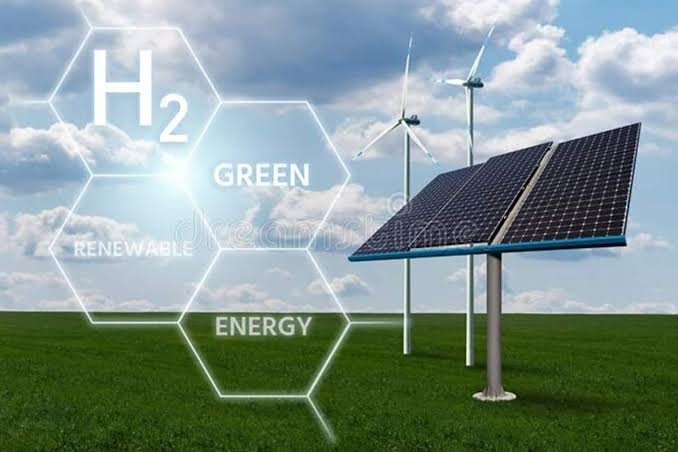
Clean Energy With Hydrogen

Clean energy with hydrogen has garnered significant attention as a promising avenue for a more sustainable future. Hydrogen, when produced using renewable energy sources, has the potential to address environmental concerns and contribute to decarbonizing various sectors. Here's how hydrogen fits into the clean energy landscape:
1. Green Hydrogen Production:
   
   - Electrolysis: Green hydrogen is produced through a process called electrolysis, where water is split into hydrogen and oxygen using electricity. If this electricity comes from renewable sources such as wind or solar, the entire production process is emissions-free.

2. Renewable Energy Storage:
   - Hydrogen can act as a storage medium for excess renewable energy. During times of surplus energy generation (e.g., sunny or windy days), excess electricity can be used to produce hydrogen, which can be stored for later use.

3. Transportation:
   - Fuel Cell Vehicles: Hydrogen fuel cells can power vehicles, providing an alternative to traditional internal combustion engines. Fuel cell vehicles emit only water vapor and heat, offering a cleaner transportation option.

4. Industrial Applications:
   - Hydrogen is a key input in various industrial processes, including the production of chemicals and the refining of metals. Green hydrogen can replace conventional hydrogen production methods, reducing carbon emissions in these industries.

5. Power Generation:
   -Fuel Cells:Hydrogen can be used in fuel cells to generate electricity. This is a clean process as the only byproducts are water and heat. Fuel cells can be utilized for stationary power generation, providing electricity for homes and businesses.

6. Decarbonizing Heating:
   - Hydrogen can be used as a clean fuel for heating applications in residential and industrial settings. Replacing natural gas with hydrogen in certain applications can reduce carbon emissions.

7. International Collaboration:
   - Countries worldwide are investing in research and infrastructure for hydrogen production and utilization. International collaborations aim to develop a global hydrogen economy that facilitates the export and import of clean hydrogen.

8. Challenges and Considerations:
   - Despite its potential, challenges such as cost, infrastructure development, and energy efficiency need to be addressed for hydrogen to play a widespread role in clean energy.
   - The "color" of hydrogen (gray, blue, or green) is often used to denote how it is produced, with green being the cleanest and sourced from renewables.

Hydrogen's role in the clean energy transition is evolving, with ongoing research and development efforts. As technologies advance and economies of scale are achieved, hydrogen is expected to play a crucial role in reducing greenhouse gas emissions and creating a more sustainable energy future.

Wednesday, December 27, 2023

WHAT IS HYDROGEN?

What is Hydrogen?

Hydrogen is the lightest and most abundant element in the universe. It is a chemical element with the symbol H and atomic number 1. In its most common form, hydrogen exists as a diatomic molecule (H2), where two hydrogen atoms are bonded together. It is colorless, odorless, and tasteless.

Hydrogen plays a crucial role in various industries and scientific applications. Some key points about hydrogen include:

1. Energy Carrier: Hydrogen is often considered an energy carrier because it can store and transport energy. It can be produced from various sources, including natural gas, water, and biomass, and can be used as a fuel in fuel cells to generate electricity.

2. Clean Energy: When hydrogen is produced using renewable energy sources or through electrolysis (splitting water into hydrogen and oxygen using electricity), it becomes a clean and environmentally friendly fuel. Its combustion or use in fuel cells produces only water as a byproduct, making it a promising option for reducing greenhouse gas emissions.

3. Industrial Applications: Hydrogen is widely used in industries, including petroleum refining, chemical production, and metal processing. It is an essential component in the synthesis of ammonia, which is a key ingredient in fertilizers.

4. Space Exploration: Hydrogen has been used as rocket fuel, particularly in the form of liquid hydrogen combined with liquid oxygen, creating a powerful and efficient propulsion system for space exploration.

5. Hydrogen Isotopes: Hydrogen has three isotopes—protium, deuterium, and tritium. Protium is the most common and stable isotope, while deuterium and tritium are used in nuclear fusion reactions.

The interest in hydrogen has grown in recent years as a potential solution for clean and sustainable energy. It holds promise for addressing challenges related to energy storage, transportation, and reducing dependence on fossil fuels in various sectors.