Showing posts with label energy. Show all posts

Friday, December 29, 2023

Clean Energy With Hydrogen

Clean energy with hydrogen has garnered significant attention as a promising avenue for a more sustainable future. Hydrogen, when produced using renewable energy sources, has the potential to address environmental concerns and contribute to decarbonizing various sectors. Here's how hydrogen fits into the clean energy landscape:
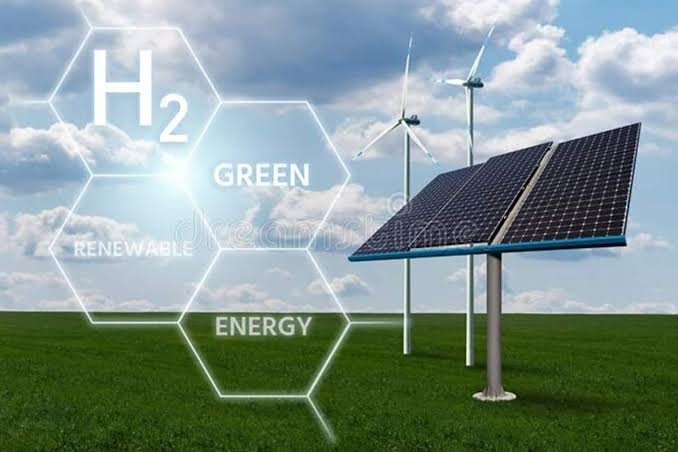
1. Green Hydrogen Production:
   
   - Electrolysis: Green hydrogen is produced through a process called electrolysis, where water is split into hydrogen and oxygen using electricity. If this electricity comes from renewable sources such as wind or solar, the entire production process is emissions-free.

2. Renewable Energy Storage:
   - Hydrogen can act as a storage medium for excess renewable energy. During times of surplus energy generation (e.g., sunny or windy days), excess electricity can be used to produce hydrogen, which can be stored for later use.

3. Transportation:
   - Fuel Cell Vehicles: Hydrogen fuel cells can power vehicles, providing an alternative to traditional internal combustion engines. Fuel cell vehicles emit only water vapor and heat, offering a cleaner transportation option.

4. Industrial Applications:
   - Hydrogen is a key input in various industrial processes, including the production of chemicals and the refining of metals. Green hydrogen can replace conventional hydrogen production methods, reducing carbon emissions in these industries.

5. Power Generation:
   -Fuel Cells:Hydrogen can be used in fuel cells to generate electricity. This is a clean process as the only byproducts are water and heat. Fuel cells can be utilized for stationary power generation, providing electricity for homes and businesses.

6. Decarbonizing Heating:
   - Hydrogen can be used as a clean fuel for heating applications in residential and industrial settings. Replacing natural gas with hydrogen in certain applications can reduce carbon emissions.

7. International Collaboration:
   - Countries worldwide are investing in research and infrastructure for hydrogen production and utilization. International collaborations aim to develop a global hydrogen economy that facilitates the export and import of clean hydrogen.

8. Challenges and Considerations:
   - Despite its potential, challenges such as cost, infrastructure development, and energy efficiency need to be addressed for hydrogen to play a widespread role in clean energy.
   - The "color" of hydrogen (gray, blue, or green) is often used to denote how it is produced, with green being the cleanest and sourced from renewables.

Hydrogen's role in the clean energy transition is evolving, with ongoing research and development efforts. As technologies advance and economies of scale are achieved, hydrogen is expected to play a crucial role in reducing greenhouse gas emissions and creating a more sustainable energy future.

Thursday, December 28, 2023

Why Hydrogen is referred as Energy Carrier?

Hydrogen is often referred to as an energy carrier because it has the ability to store and transport energy in a versatile manner. Here's how hydrogen functions as an energy carrier:
1. Production: Hydrogen can be produced from various sources, including natural gas (via steam methane reforming), water (via electrolysis), and biomass. The method of production determines the environmental impact and sustainability of the hydrogen produced.

2. Storage: Hydrogen has a high energy density, making it an efficient means of storing energy. It can be stored in various forms, such as gaseous hydrogen, liquid hydrogen, or as a component of chemical compounds like ammonia.

3. Transportation: Hydrogen can be transported over long distances, similar to conventional fuels. It can be transported via pipelines, trucks, or ships, providing flexibility in distributing energy to different locations.

4. Conversion: Hydrogen can be converted back into electricity through different processes. The most common method is using fuel cells, where hydrogen reacts with oxygen to produce electricity, with water as the only byproduct. This makes fuel cells a clean and efficient technology for generating electricity.

5. Versatility: Hydrogen can be used in various applications, including power generation, transportation (hydrogen fuel cell vehicles), and industrial processes. Its versatility makes it suitable for a wide range of energy needs.

6. Reducing Emissions: When produced using renewable energy sources or low-carbon methods, hydrogen becomes a green or clean fuel. Its combustion or use in fuel cells produces only water vapor, contributing to efforts to reduce greenhouse gas emissions and combat climate change.

The concept of hydrogen as an energy carrier is particularly significant in the context of transitioning to a more sustainable and low-carbon energy system. It can play a crucial role in storing and delivering energy from intermittent renewable sources, addressing challenges associated with energy storage and grid balancing. However, the widespread adoption of hydrogen as an energy carrier also depends on addressing technological, economic, and infrastructure challenges.

Sunday, December 24, 2023

Matcha Magic: Exploring the Rich Heritage and Global Allure of Japan's Vibrant Green Elixir


      Matcha, a powdered green tea with deep roots in Japanese tradition, has transcended its cultural origins to become a global phenomenon. This vibrant green powder is more than just a beverage; it's a symbol of mindfulness, a culinary delight, and a source of health benefits.

The journey of matcha begins with the cultivation of shade-grown tea leaves. Before harvest, the tea plants are shaded from sunlight for about 20–30 days, intensifying the chlorophyll levels and enhancing the vibrant green color. This careful cultivation process sets matcha apart from other green teas, giving it a distinct taste and texture.

Harvested tea leaves destined to become matcha are steamed to halt fermentation, preserving the rich green color and nutritional content. After steaming, the leaves are dried and stone-ground into a fine powder using traditional granite mills. This meticulous process ensures that matcha retains its unique flavor profile and velvety texture.


The art of preparing matcha is central to Japanese tea ceremonies, a cultural practice dating back centuries. These ceremonies emphasize harmony, respect, purity, and tranquility. During a tea ceremony, a skilled practitioner, known as a tea master, carefully prepares and serves matcha to participants, creating a meditative and communal experience.


Beyond the ceremonial setting, matcha has found its way into contemporary culinary creations. Its versatile nature makes it a sought-after ingredient in both sweet and savory dishes. From matcha-flavored desserts like ice cream, mochi, and cakes to matcha-infused lattes and smoothies, the powder's distinct taste adds a touch of elegance to various recipes.

Apart from its culinary allure, matcha boasts health benefits that contribute to its popularity. Rich in antioxidants, matcha helps combat oxidative stress and inflammation. The presence of the amino acid L-theanine provides a calming effect, promoting relaxation and mental alertness. Additionally, matcha contains a type of caffeine that is released slowly, providing sustained energy without the jittery side effects often associated with coffee.

As matcha gained international acclaim, it sparked interest not only for its taste but also for its potential health advantages. Health-conscious consumers turned to matcha as a nutritious alternative, embracing its antioxidant properties and its role in supporting overall well-being.

In the modern era, matcha has become more than a tea; it's a lifestyle. Matcha-themed cafes have emerged worldwide, offering a range of matcha-infused delicacies and beverages. The global market for matcha continues to expand as more people discover and appreciate its unique qualities.

In conclusion, matcha stands as a testament to the enduring appeal of traditional practices in a contemporary context. Its journey from a revered element of Japanese tea ceremonies to a global sensation mirrors the interconnectedness of cultures and the universal appreciation for unique flavors and experiences. Whether enjoyed in a traditional tea ceremony or incorporated into innovative recipes, matcha continues to captivate and inspire, leaving a lasting imprint on the world of tea and culinary exploration.
Try here click the link below and order now