Saturday, December 30, 2023

Lithium: A comprehensive Overview

Lithium, with the atomic number 3 and symbol Li, is a versatile chemical element that has garnered significant attention across various fields due to its unique properties and applications. This article delves into the multifaceted aspects of lithium, exploring its historical significance, chemical properties, common uses, and its crucial role in emerging technologies.

Historical Background:

Discovered in 1817 by Swedish chemist Johan August Arfwedson, lithium derived its name from "lithos," the Greek word for stone. The element gained prominence in the late 19th century when it was isolated in its pure form by Robert Bunsen and Augustus Matthiessen. Early applications of lithium were limited, with its therapeutic use in certain mental disorders being one of the notable exceptions.

 Chemical Properties:

Lithium belongs to the alkali metal group, residing in Group 1 of the periodic table. It is characterized by its low atomic mass, making it the lightest metal and solid element. In its pure form, lithium is a soft, silvery-white metal that reacts vigorously with water, creating lithium hydroxide and hydrogen gas. Its high reactivity makes it unsuitable for widespread use in its elemental state, leading to the development of various lithium compounds for practical applications.

Common Lithium Compounds:

1. Lithium Carbonate (Li2CO3): Widely used in the treatment of bipolar disorder, lithium carbonate has therapeutic effects on mood stabilization.

2. Lithium Hydroxide (LiOH): Applied in the production of lithium greases, lithium hydroxide is crucial for applications in aerospace and automotive industries.

3. Lithium-ion Batteries:  Lithium cobalt oxide (LiCoO2) and lithium iron phosphate (LiFePO4) are common cathode materials in rechargeable lithium-ion batteries. These batteries power a myriad of devices, including smartphones, laptops, and electric vehicles.
 Applications in Energy Storage:

Lithium's most transformative role lies in energy storage technologies. Lithium-ion batteries have become the dominant choice for portable electronics and electric vehicles. The high energy density and long cycle life of lithium-ion batteries contribute to their widespread adoption in renewable energy storage systems, facilitating the integration of solar and wind power into the electrical grid.

Electric Vehicles and Transportation:

The surge in electric vehicle (EV) adoption has significantly increased the demand for lithium. Lithium-ion batteries power EVs, providing a sustainable alternative to traditional internal combustion engines. The automotive industry's shift toward electrification underscores lithium's pivotal role in reducing reliance on fossil fuels and mitigating environmental impact.

Challenges and Innovations:

Despite its numerous advantages, the lithium industry faces challenges such as resource sustainability, environmental concerns in mining and extraction processes, and geopolitical factors affecting the availability of lithium deposits. Ongoing research focuses on improving battery technologies, exploring alternative materials, and enhancing recycling methods to address these challenges.

Lithium in Medicine:

Beyond its industrial applications, lithium has a long history in medicine. Lithium carbonate is prescribed as a mood stabilizer for individuals with bipolar disorder. Its precise mechanism of action in the treatment of mood disorders is not fully understood, but lithium's impact on neurotransmitters is believed to play a role in its therapeutic effects.

Future Prospects:

As technology continues to advance, lithium's importance is likely to grow. Innovations in battery technology, energy storage systems, and electric vehicles will drive demand for lithium. Additionally, exploration of novel applications, such as lithium-air batteries, signifies ongoing efforts to harness lithium's potential in emerging technologies.

In conclusion, lithium stands at the forefront of scientific, industrial, and technological progress. From its early discovery to its pivotal role in modern energy storage and medicine, lithium's journey reflects the dynamic interplay between scientific understanding and practical applications. As society embraces sustainable and innovative solutions, the significance of lithium is poised to evolve, shaping the future of energy, transportation, and beyond.

Women's Georgette Ethnic Gown

Women's Georgette Ethnic Gown by ShivShop

Georgette Embroidered Ethnic Gown For Women

Women Net Semi Stitched Anarkali Gown


To buy this Best Quality Dress follow the link below:


Fancy Poly Crepe Gown For Women


Fancy Poly Crepe for Women
To buy this product follow the link below and don't forget to subscribe my blog.


Friday, December 29, 2023

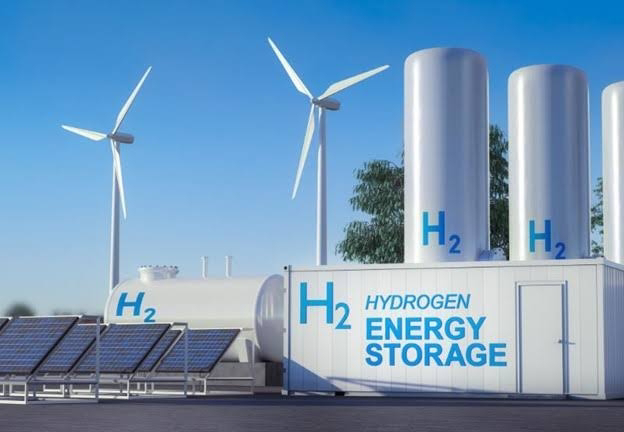
Renewable Hydrogen Energy Storage

Renewable energy storage through hydrogen is gaining attention as a key solution to address the intermittent nature of renewable energy sources like solar and wind. Here's how hydrogen storage contributes to the effective utilization of renewable energy:

1. Excess Energy Utilization:
   - During periods of high renewable energy generation, such as sunny or windy days, there is often more energy produced than the grid or local demand requires. Hydrogen storage allows for the capture of this excess energy.

2. Electrolysis Process:
   - The excess renewable energy is used to power the electrolysis process, where water (H2O) is split into hydrogen (H2) and oxygen (O2). This process creates green hydrogen when powered by renewable sources, making it an environmentally friendly energy carrier.

3. Energy Storage:
   - Hydrogen acts as a storage medium for energy. Unlike batteries, hydrogen storage has the advantage of long-duration storage, allowing for the retention of energy for extended periods.

4. Grid Balancing:
   - Stored hydrogen can be used to balance the electricity grid during periods of low renewable energy generation. Hydrogen can be converted back into electricity using fuel cells, providing a flexible and dispatchable energy source.

5. Decoupling Energy Production and Consumption:
   - Hydrogen storage enables the decoupling of energy production and consumption. Excess energy generated at one time can be stored and used at a later time, reducing the need for additional backup power sources.

6. Energy Transportation:
   - Hydrogen can be transported to areas where renewable energy generation is insufficient. This is particularly useful for regions with varying renewable energy potential, allowing for the distribution of clean energy to areas in need.

7. Industrial Applications:
   - Stored hydrogen can be used in various industrial applications, such as providing high-temperature heat for manufacturing processes or serving as a feedstock for the production of chemicals.

8. Hydrogen as a Fuel:
   - Hydrogen can be used as a fuel in various sectors, including transportation. Fuel cell vehicles can utilize hydrogen stored during periods of excess renewable energy production, offering a clean alternative to traditional fossil fuels.

9. Energy Security:
   - Hydrogen storage enhances energy security by providing a reliable and resilient energy source. It can serve as a backup during times of grid instability or unexpected interruptions in renewable energy generation.

10. Reducing Curtailment:
    - Renewable energy projects often face curtailment, where excess energy is wasted because the grid cannot absorb it. Hydrogen storage helps reduce curtailment by storing excess energy for later use.

While hydrogen storage presents a promising solution for renewable energy integration, challenges such as cost, efficiency, and infrastructure development still need to be addressed. Ongoing research and technological advancements are expected to play a crucial role in optimizing the use of hydrogen storage for renewable energy applications.

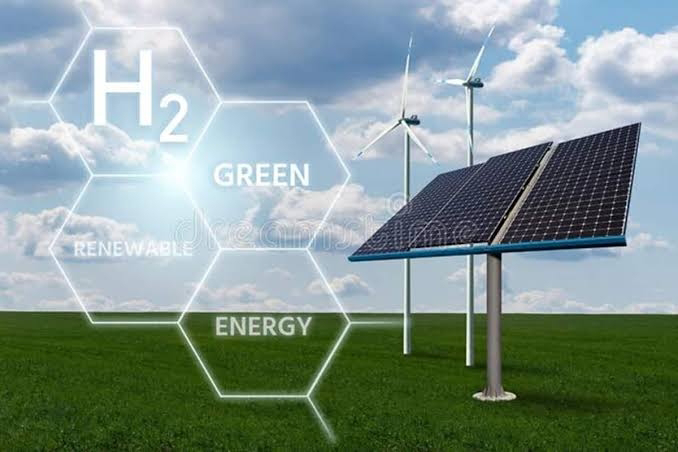
Green Energy With Hydrogen Through Electrolysis

Green energy with hydrogen through electrolysis represents a promising pathway towards sustainable and environmentally friendly energy solutions. Electrolysis is a process that uses electricity to split water into hydrogen and oxygen, and when powered by renewable energy sources, it produces what is commonly known as green hydrogen. Here's how this process contributes to the green energy landscape:
1. Renewable Energy Input:
   - Green hydrogen production begins with the use of renewable energy sources such as solar, wind, or hydropower. These sources provide the electricity needed for electrolysis.


2. Electrolysis Process:
   - During electrolysis, water (H2O) is split into hydrogen (H2) and oxygen (O2). The process involves passing an electric current through water, causing the water molecules to dissociate into their constituent elements.

3. Zero Emissions:
   - When powered by renewable energy, the entire process of green hydrogen production is emissions-free. There are no greenhouse gas emissions associated with the production of the hydrogen, making it a clean and sustainable energy carrier.

4. Grid Balancing and Energy Storage:
   - Green hydrogen can play a crucial role in grid balancing. Excess renewable energy generated during periods of high production can be used for electrolysis, producing hydrogen. The hydrogen can then be stored and later used when renewable energy generation is low, contributing to grid stability.

5. Transportation Fuel:
   - Green hydrogen can be utilized as a clean fuel for transportation, particularly in fuel cell vehicles. When hydrogen is used in fuel cells, the only byproducts are water vapor and heat, making it an environmentally friendly alternative to traditional fossil fuels.

6. Industrial Applications:
   - Green hydrogen can replace conventionally produced hydrogen in various industrial processes. Industries requiring hydrogen for processes such as ammonia production or refining can transition to a cleaner and more sustainable source.

7. Reducing Carbon Footprint:
   - The use of green hydrogen in sectors with high carbon footprints, such as heavy industry and transportation, can contribute significantly to reducing overall greenhouse gas emissions.

8. Investment and Innovation:
   - Governments, industries, and research institutions are investing in advancing electrolysis technologies and scaling up green hydrogen production. Ongoing innovation aims to make green hydrogen more cost-effective and commercially viable.

9. Global Collaboration:
   - There is a growing emphasis on international collaboration to develop a global hydrogen economy. Countries are working together to share knowledge, promote research, and create the infrastructure needed for the widespread adoption of green hydrogen.

While the development of green hydrogen through electrolysis is promising, challenges such as cost competitiveness, infrastructure development, and technological advancements still need to be addressed. As these challenges are overcome, green hydrogen is poised to play a crucial role in the transition to a more sustainable and low-carbon energy future.

Clean Energy With Hydrogen

Clean energy with hydrogen has garnered significant attention as a promising avenue for a more sustainable future. Hydrogen, when produced using renewable energy sources, has the potential to address environmental concerns and contribute to decarbonizing various sectors. Here's how hydrogen fits into the clean energy landscape:
1. Green Hydrogen Production:
   
   - Electrolysis: Green hydrogen is produced through a process called electrolysis, where water is split into hydrogen and oxygen using electricity. If this electricity comes from renewable sources such as wind or solar, the entire production process is emissions-free.

2. Renewable Energy Storage:
   - Hydrogen can act as a storage medium for excess renewable energy. During times of surplus energy generation (e.g., sunny or windy days), excess electricity can be used to produce hydrogen, which can be stored for later use.

3. Transportation:
   - Fuel Cell Vehicles: Hydrogen fuel cells can power vehicles, providing an alternative to traditional internal combustion engines. Fuel cell vehicles emit only water vapor and heat, offering a cleaner transportation option.

4. Industrial Applications:
   - Hydrogen is a key input in various industrial processes, including the production of chemicals and the refining of metals. Green hydrogen can replace conventional hydrogen production methods, reducing carbon emissions in these industries.

5. Power Generation:
   -Fuel Cells:Hydrogen can be used in fuel cells to generate electricity. This is a clean process as the only byproducts are water and heat. Fuel cells can be utilized for stationary power generation, providing electricity for homes and businesses.

6. Decarbonizing Heating:
   - Hydrogen can be used as a clean fuel for heating applications in residential and industrial settings. Replacing natural gas with hydrogen in certain applications can reduce carbon emissions.

7. International Collaboration:
   - Countries worldwide are investing in research and infrastructure for hydrogen production and utilization. International collaborations aim to develop a global hydrogen economy that facilitates the export and import of clean hydrogen.

8. Challenges and Considerations:
   - Despite its potential, challenges such as cost, infrastructure development, and energy efficiency need to be addressed for hydrogen to play a widespread role in clean energy.
   - The "color" of hydrogen (gray, blue, or green) is often used to denote how it is produced, with green being the cleanest and sourced from renewables.

Hydrogen's role in the clean energy transition is evolving, with ongoing research and development efforts. As technologies advance and economies of scale are achieved, hydrogen is expected to play a crucial role in reducing greenhouse gas emissions and creating a more sustainable energy future.

Nurturing Relationships: The Wisdom of "Don't Bite the Hand That Feeds You"

"Don't bite the hand that feeds you" is not just a timeless proverb; it's a profound piece of advice that transcends cultural boundaries, offering a powerful lesson in gratitude and reciprocity. This age-old wisdom reminds us of the importance of appreciating those who support and provide for us, fostering meaningful relationships in both personal and professional spheres.

Understanding the Proverb:
At its core, the proverb cautions against harming or showing ingratitude to those who help or support us. The metaphorical act of biting the hand that feeds you serves as a vivid reminder that jeopardizing relationships with those who offer assistance can lead to detrimental consequences.

Gratitude and Recognition:
Expressing gratitude is a fundamental aspect of maintaining healthy relationships. When we acknowledge the efforts and contributions of others, we not only strengthen our connections but also create an environment of mutual respect. Recognizing the hand that feeds us, be it through mentorship, friendship, or professional support, builds a foundation of trust and goodwill.

Professional Context:
In the workplace, the principle of not biting the hand that feeds you is especially pertinent. Colleagues, mentors, and superiors who provide guidance, opportunities, or support deserve appreciation. A culture of gratitude in the professional realm not only enhances teamwork but also opens doors to future collaborations and advancements.

Personal Relationships:
In personal relationships, the proverb underscores the significance of reciprocity. Healthy friendships and family ties thrive on give-and-take dynamics. When individuals fail to appreciate the support they receive, the bonds weaken, leading to strained relationships. Taking a moment to express gratitude can make a substantial difference in maintaining harmonious connections.

Avoiding Entitlement:
The proverb also serves as a caution against developing a sense of entitlement. When one becomes accustomed to receiving assistance without acknowledging it, entitlement can breed resentment and negatively impact both parties involved. Gratitude, on the other hand, acts as a counterbalance, fostering a positive and supportive atmosphere.

Navigating Challenges:
Life is rife with challenges, and no one is immune to setbacks. In times of difficulty, those who extend a helping hand play a crucial role. Respecting and valuing their contributions can create a network of support that proves invaluable during challenging moments.

Cultivating a Culture of Appreciation:
Beyond individual interactions, organizations and societies can benefit from embracing a culture of appreciation. Recognizing the contributions of employees, volunteers, and community members creates a positive feedback loop, encouraging continued support and dedication.

Conclusion:
"Don't bite the hand that feeds you" encapsulates a fundamental truth about human relationships — gratitude is the glue that binds us together. Whether in personal or professional settings, acknowledging the hands that support and nurture us fosters a culture of appreciation, understanding, and collaboration. As we navigate the complexities of life, let us carry this wisdom with us, ensuring that we build bridges, not burn them, and create a world where the hands that feed us are met with gratitude and reciprocity.

Why should I stop watching news?

Deciding to stop watching the news can be a personal choice influenced by various reasons. Here are some common reasons why individuals choose to limit or cease their news consumption:

1. Reduced Stress and Anxiety: News often includes stories about crises, conflicts, and disasters, which can contribute to heightened stress and anxiety. Limiting exposure to negative news may lead to improved mental well-being.

2. Focus on Positivity: Constant exposure to negative news can create a pessimistic outlook. Some people prefer to redirect their attention to positive aspects of life and focus on personal growth, achievements, and uplifting content.

3. Preservation of Mental Health: In a world with 24/7 news cycles, continuous exposure to distressing events can take a toll on mental health. Taking a break from news consumption allows individuals to prioritize their mental well-being.

4. Time Management: News consumption can be time-consuming. By reducing or eliminating news watching, individuals free up time for other activities, hobbies, or personal pursuits that contribute positively to their lives.

5. Avoiding Sensationalism: News outlets may sensationalize stories to attract viewership. Some individuals prefer to distance themselves from sensationalized or biased reporting to maintain a more balanced and objective perspective.

6. Improved Productivity: Constant news updates can be distracting, especially for those who need to focus on work or specific tasks. Eliminating or minimizing news consumption can lead to increased productivity.

7. Better Sleep: Continuous exposure to news, especially before bedtime, can interfere with sleep. Choosing to stop watching the news might contribute to better sleep quality.

8. Preserving Emotional Energy: Negative news can evoke strong emotions. Some people prefer to conserve their emotional energy and redirect it toward positive relationships and experiences.

It's important to note that while there are potential benefits to reducing news consumption, staying informed about significant events and issues in the world is also valuable. Striking a balance that aligns with your personal values, mental well-being, and need for information is key. If you decide to limit news consumption, consider alternative ways to stay informed that are tailored to your preferences and priorities.

Thursday, December 28, 2023

How to earn by Twitch tv?

Earning money on Twitch can be achieved through various avenues. Here are some common methods:

1. Subscriptions: Viewers can subscribe to your channel by paying a monthly fee. Twitch offers different subscription tiers, and streamers receive a percentage of the subscription fee.

2. Donations: Viewers can make one-time or recurring donations to support your channel. Many streamers use third-party services like Streamlabs or PayPal for donation processing.

3. Bits: Twitch's virtual currency, bits, allows viewers to cheer for their favorite streamers. Streamers receive a share of the revenue when viewers purchase bits, which they can then convert into real money.

4. Ad Revenue: Twitch Partners and Affiliates can earn money through ad revenue when viewers watch ads on their channels. The revenue comes from Twitch's advertising program.

5. Affiliate Marketing: If you have a substantial following, you can partner with brands for affiliate marketing. Promote products and earn a commission on sales generated through your unique affiliate links.

6. Sponsorships: As your channel grows, you may attract sponsorships from companies willing to pay you for promoting their products or services during your streams.

7. Merchandise Sales: Design and sell your merchandise (T-shirts, mugs, etc.) through platforms like Teespring or design your own store. This allows your community to support you while receiving something tangible in return.

8. Twitch Partner Program: If you meet certain criteria, such as consistent viewership and streaming hours, you may become eligible for the Twitch Partner Program. Partners have more monetization options, including ad revenue and additional subscription options.

Remember that building a successful Twitch channel takes time and dedication. It's crucial to engage with your audience, be consistent in your streaming schedule, and create content that resonates with your viewers. Additionally, explore multiple revenue streams to diversify your income and make your channel more sustainable.

Why Hydrogen is referred as Energy Carrier?

Hydrogen is often referred to as an energy carrier because it has the ability to store and transport energy in a versatile manner. Here's how hydrogen functions as an energy carrier:
1. Production: Hydrogen can be produced from various sources, including natural gas (via steam methane reforming), water (via electrolysis), and biomass. The method of production determines the environmental impact and sustainability of the hydrogen produced.

2. Storage: Hydrogen has a high energy density, making it an efficient means of storing energy. It can be stored in various forms, such as gaseous hydrogen, liquid hydrogen, or as a component of chemical compounds like ammonia.

3. Transportation: Hydrogen can be transported over long distances, similar to conventional fuels. It can be transported via pipelines, trucks, or ships, providing flexibility in distributing energy to different locations.

4. Conversion: Hydrogen can be converted back into electricity through different processes. The most common method is using fuel cells, where hydrogen reacts with oxygen to produce electricity, with water as the only byproduct. This makes fuel cells a clean and efficient technology for generating electricity.

5. Versatility: Hydrogen can be used in various applications, including power generation, transportation (hydrogen fuel cell vehicles), and industrial processes. Its versatility makes it suitable for a wide range of energy needs.

6. Reducing Emissions: When produced using renewable energy sources or low-carbon methods, hydrogen becomes a green or clean fuel. Its combustion or use in fuel cells produces only water vapor, contributing to efforts to reduce greenhouse gas emissions and combat climate change.

The concept of hydrogen as an energy carrier is particularly significant in the context of transitioning to a more sustainable and low-carbon energy system. It can play a crucial role in storing and delivering energy from intermittent renewable sources, addressing challenges associated with energy storage and grid balancing. However, the widespread adoption of hydrogen as an energy carrier also depends on addressing technological, economic, and infrastructure challenges.

Wednesday, December 27, 2023

WHAT IS HYDROGEN?

What is Hydrogen?

Hydrogen is the lightest and most abundant element in the universe. It is a chemical element with the symbol H and atomic number 1. In its most common form, hydrogen exists as a diatomic molecule (H2), where two hydrogen atoms are bonded together. It is colorless, odorless, and tasteless.

Hydrogen plays a crucial role in various industries and scientific applications. Some key points about hydrogen include:

1. Energy Carrier: Hydrogen is often considered an energy carrier because it can store and transport energy. It can be produced from various sources, including natural gas, water, and biomass, and can be used as a fuel in fuel cells to generate electricity.

2. Clean Energy: When hydrogen is produced using renewable energy sources or through electrolysis (splitting water into hydrogen and oxygen using electricity), it becomes a clean and environmentally friendly fuel. Its combustion or use in fuel cells produces only water as a byproduct, making it a promising option for reducing greenhouse gas emissions.

3. Industrial Applications: Hydrogen is widely used in industries, including petroleum refining, chemical production, and metal processing. It is an essential component in the synthesis of ammonia, which is a key ingredient in fertilizers.

4. Space Exploration: Hydrogen has been used as rocket fuel, particularly in the form of liquid hydrogen combined with liquid oxygen, creating a powerful and efficient propulsion system for space exploration.

5. Hydrogen Isotopes: Hydrogen has three isotopes—protium, deuterium, and tritium. Protium is the most common and stable isotope, while deuterium and tritium are used in nuclear fusion reactions.

The interest in hydrogen has grown in recent years as a potential solution for clean and sustainable energy. It holds promise for addressing challenges related to energy storage, transportation, and reducing dependence on fossil fuels in various sectors.